


The Botanical Elements: Understanding Raw Plant Squalane
Skincare science has shifted from aggressive synthetic peeling chemicals to bio-mimetic barrier restoration. To protect delicate epidermal structures from drying environmental conditions, researchers are looking directly at raw squalane—a natural lipid molecule that perfectly resembles our skin’s built-in natural sebum.
In this clinical audit, we examine why olive-extracted plant squalane represents a highly stable, non-comedogenic hydration gold standard suitable for even the most reactive skin types.
The Bio-Compatibility Quotient
Traditional facial oils frequently sit on top of the skin, forming an heavy occlusive film that locks in dust and clogs open pores. Squalane, however, is a hydrogenated form of squalene, which already constitutes roughly 12% of human dermal oils. This structural alignment allows plant squalane to slide seamlessly into the intercellular lipid matrix—instantly softening rough textures without feeling heavy.
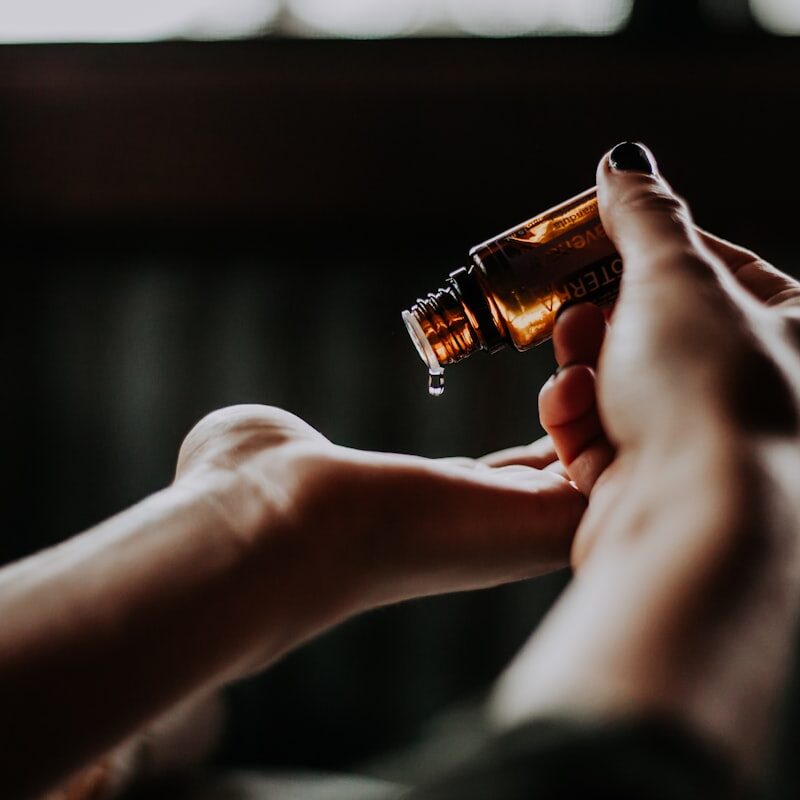
Safeguarding the Dermal Shield

Environmental stress from ozone pollution, wind, and dry indoor heating systems breaks down structural skin proteins, leading to early moisture loss. Daily use of raw plant squalane creates a delicate, featherlight protective shield that locks in hydrators while keeping environmental irritants out.