


Escape Tours Across 200+ Cities How Urban Game Experiences Vary by Location
Urban puzzle adventures take on a different shape in every city where they appear, shaped by streets, monuments, and stories that only exist in that one place. escapetours.com operates in over 200 cities worldwide, and the geography, history, and architecture of each location leave a visible mark on how the games are built. Looking at how these games differ from one city to another reveals a surprising amount of design thinking behind a seemingly simple premise: solve puzzles, explore a city, and find a secret exit within a set amount of time.
How Escape Tours Adapts City Layouts and Geography to Puzzle Design
A city with narrow medieval lanes presents a very different canvas than one built around wide boulevards or a river splitting the center in two. escapetours.com uses the existing layout of each city as the literal game board, meaning puzzle placement and clue sequencing follow whatever paths already exist rather than an artificial course. In a compact historic core, the route might wind through alleys and squares within a few blocks, while a city with a sprawling center could require longer stretches between stops. The physical shape of a location directly determines how a team moves from one clue to the next.
The Role of Local History and Cultural Narratives in Each City’s Game Story
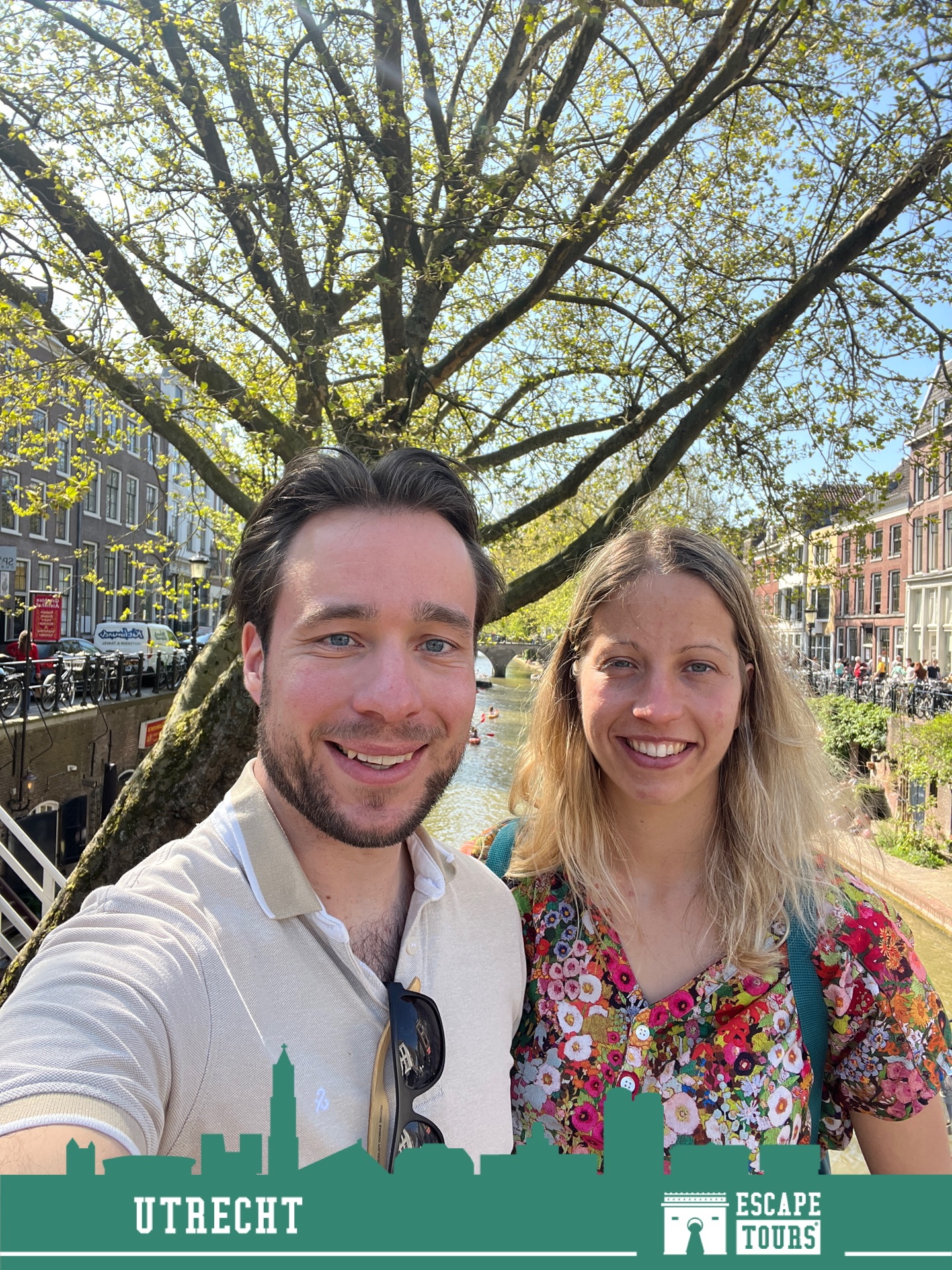
Every city game is built around its own storyline, so no two cities play out the same narrative. In some locations, the plot centers on helping a well-known historical resident escape a predicament, while in others the story unravels a mystery rooted in the city’s past. This means the puzzles are not generic riddles dropped into any location at random, but pieces of a narrative tied to specific streets, buildings, and local lore. Teams playing in different cities are effectively stepping into distinct chapters of a larger, city-spanning collection of stories.
Difficulty Variations Across Escape Tours Locations: What Makes Each Version Unique
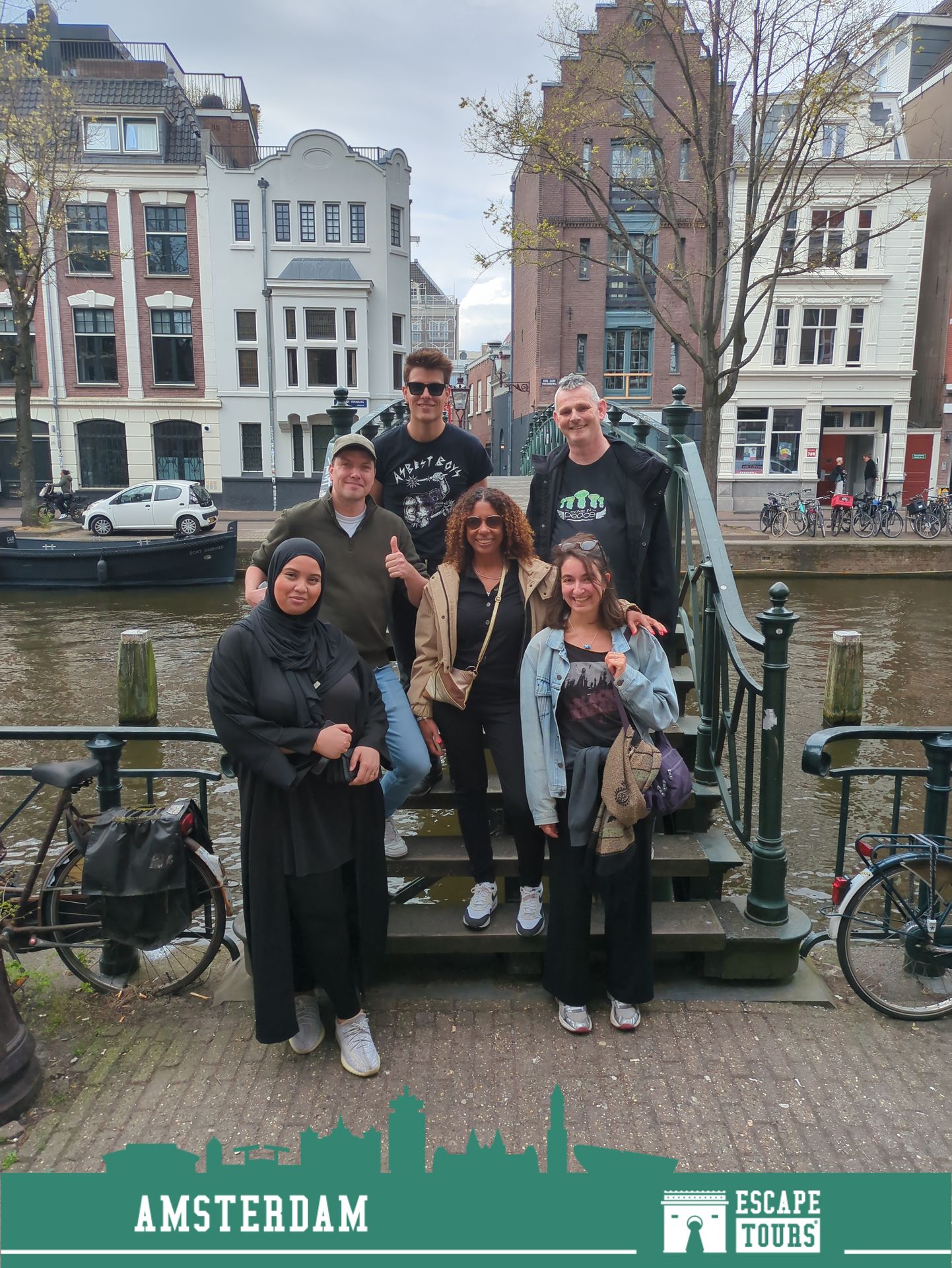
Because each city’s game is built around its own geography and story, the difficulty naturally shifts from one location to another. A route that relies on reading subtle architectural details might challenge teams differently than one built around navigating a dense network of streets. Ratings submitted by players after finishing hint at this variation, with some teams rating an experience an 8 out of 10 and others awarding a perfect 10 out of 10 for a different city’s version. These differences are not about one location being objectively harder in a fixed sense, but about how each city’s layout and puzzle set combine to create a distinct level of challenge.
Starting Locations and Route Design: Why Central City Positioning Matters for Gameplay
Every game offered through escapetours.com begins at a carefully chosen, central starting point, and this choice is not incidental. The starting location is selected so that the route and the sequence of puzzles align correctly from the very first step, and beginning anywhere else typically means extra walking and lost time. Game information is sent directly after booking, and teams are advised to wait until they are physically at the starting point before logging in, since the clock begins once the introduction is read and a team name is entered. This structure keeps the experience consistent across cities even though the actual streets, landmarks, and distances involved differ enormously from one location to the next.
The 2-Hour Time Limit in Practice: Completion Rates and Pacing Across Different Escape Tours Cities
The core mission across every location offered by escapetours.com is the same: find the secret exit within 2 hours. Completion times recorded from actual teams show how pacing can vary even within that shared format, such as one team finishing the Deventer version in 1 hour and 48 minutes, another completing the Krakau tour in 1 hour and 41 minutes, and a different team finishing the same Krakau route in 1 hour and 51 minutes. For those who prefer to skip the time pressure, there is also an option to complete the game within 72 hours, with the ability to pause once along the way. Both formats are played independently on a personal smartphone, without a guide, which keeps the pacing entirely in the hands of the team regardless of which city is chosen.
Player Ratings and Performance Trends: Which Escape Tours Locations Challenge Teams Most
Live feedback streams from recent games on escapetours.com show a steady mix of high and moderate scores across different cities, including a 10 out of 10 for Gouda, a 10 out of 10 for Gorinchem, a 10 out of 10 for Brielle, and an 8 out of 10 for Den Bosch. A 10 out of 10 rating also appeared for Utrecht, suggesting that some city versions consistently land well with the teams who finish them. Patterns like these, pulled from real bookings and real completions, offer a rough picture of how satisfaction and perceived challenge shift from one city’s edition to another without pointing to a single hardest or easiest version overall.
- Route length differs by city because each game follows the existing streets and distances of that specific center rather than a fixed template.
- Puzzle complexity shifts depending on the story and landmarks built into that city’s particular edition.
- Accessibility of locations along the route can vary, since some stops sit in busy central areas while others require covering more ground on foot.
- Typical team completion times differ from city to city, as shown by recorded finishes ranging from under 1 hour and 45 minutes to just under 2 hours in separate locations.
- Local landmarks shape gameplay mechanics directly, since clues are frequently built around the specific architecture, squares, or historical sites unique to that city.
Across all these variables, the format itself stays recognizable: a team of 2 to 4 people, a smartphone, a story to follow, and a city turned into a playing field. What changes from place to place is everything that gives each version its own character, from the pacing of the streets to the shape of the story waiting to be uncovered.