


Common Skincare Mistakes When Using Serums and Targeted Treatments
Serums and targeted treatments promise visible results, yet much of their potential gets lost through small, repeated habits that undercut the formula before it has a chance to work. Many of these habits look harmless, even careful, which is exactly why they persist. The sections below look at where the routine most commonly goes wrong and why.
Misconception: More Product Means Better Results
A heavier hand with a serum is often mistaken for a shortcut to faster results, but concentrated formulas are built to work in small amounts. Most droppers are designed to dispense enough active ingredient for the whole face in just one or two drops, and piling on more does not multiply the effect. Excess product tends to sit on the surface, transfer onto pillowcases or clothing, and in some cases overwhelm the skin rather than benefit it. The idea that visible change scales with quantity is one of the most persistent misconceptions in skincare, and it rarely holds up under how these formulas are actually designed to perform.
The Truth About Serum Layering and Order of Application

Layering order matters because texture and molecular weight determine how well a product can reach the skin underneath. A general rule followed across skincare is to apply thinner, water-based formulas before heavier, oil-based ones, since a thick cream applied first can block a serum from absorbing at all. Retailers like lookfantastic.com display how distinctly serums, moisturisers, and oils are separated within their product categories, which reflects how differently these product types are formulated and why their order on the skin is not interchangeable. Skipping this sequence does not necessarily cause harm, but it often means the active ingredient never reaches where it is meant to go.
Why Mixing Active Ingredients Without Knowledge Fails
Combining several active ingredients in one routine is often treated as a way to address multiple concerns at once, but actives do not always coexist well on the same skin at the same time. Some ingredients are more effective when alternated across different applications rather than stacked together, and combining too many at once can lead to irritation rather than improved results. This is less about any single ingredient being problematic and more about the interaction between them, which is frequently overlooked when a routine is built product by product rather than considered as a whole. The result of poor combination is a routine that looks thorough on paper but performs inconsistently in practice.
The Problem With Ignoring Skin Type in Serum Selection
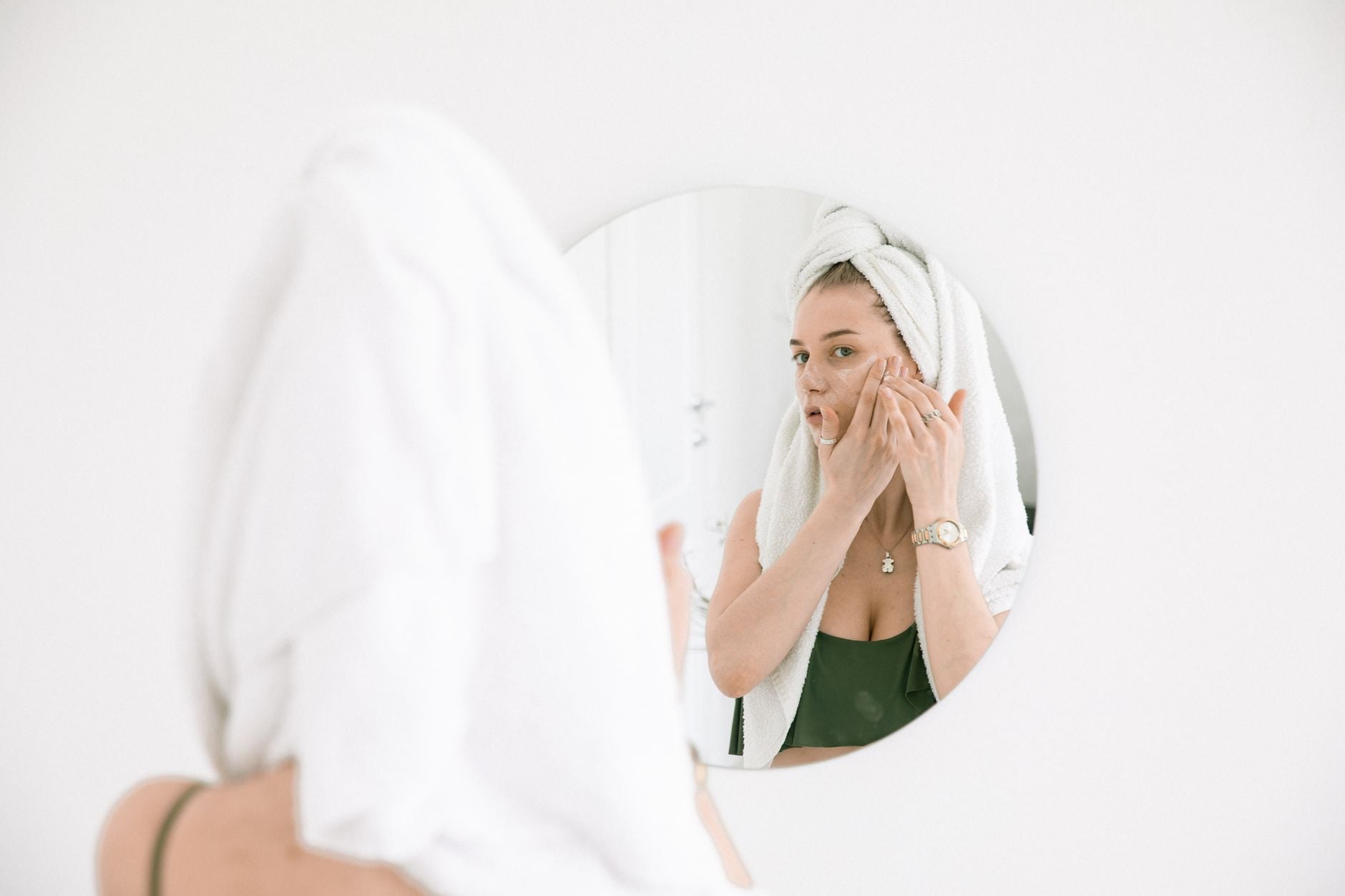
A formula suited to one skin type will not necessarily suit another, yet serums are sometimes chosen based on packaging claims rather than fit. Skincare retailers including lookfantastic.com allow filtering by skin type and concern, underlining how central this distinction is to selecting an appropriate product in the first place. A serum developed for oil control, for instance, serves a different purpose than one designed around barrier repair or hydration, and treating them as interchangeable misses the reason each was formulated differently. Selecting by concern and skin type rather than by trend is a more consistent way to narrow a crowded category.
Common Mistakes When Using Formulas From Different Brands Together
Building a routine from several different brands is common, and retailers like lookfantastic.com stock over 300 brands spanning dermatological, Korean, and premium skincare, which reflects just how much mixing across brands already happens in practice. The difficulty is not the number of brands involved but the lack of attention to how their formulas are meant to sit together, since two products addressing the same concern from different brands may contain overlapping or conflicting ingredients without that being obvious from the label alone. A routine assembled piece by piece, brand by brand, benefits from being reviewed as a whole rather than evaluated product by product. This is less a reason to avoid mixing brands and more a reason to read formulations with the full routine in mind.
How Science-Backed Formulas Differ From Hype
Not every serum marketed as groundbreaking is built on the same foundation, and the gap between formulation and marketing is where many of the mistakes above take root. Retailers describe their serum ranges by examining how brands formulate their products, moving past vague promises toward specific intent. Brands such as 111SKIN, for example, combine medically-inspired delivery methods with innovative ingredients across ranges addressing repair, hydration, and radiance. Looking at how a brand describes its own formulation approach, rather than relying on broader trend language, is one way to separate a genuinely targeted treatment from one riding on hype alone, and lookfantastic.com curates its collection with this distinction in mind.
- Using too much product in a single application often leads to waste rather than improved absorption.
- Applying a serum to wet skin when the formula is designed for dry application can dilute its concentration and reduce how it performs.
- Layering incompatible actives together, rather than alternating them, increases the likelihood of irritation.
- Skipping moisturiser after a serum leaves the skin without a layer to help seal in the treatment underneath.
- Ignoring recommended wait times between products can cause actives to interact before either has properly settled.
- Applying serums to a visibly compromised or broken skin barrier can intensify sensitivity rather than resolve it.
Avoiding these mistakes has less to do with buying more products and more to do with understanding how the ones already in a routine are meant to be used together. A little more attention to order, compatibility, and skin-specific formulation tends to matter more than the number of steps in a routine.